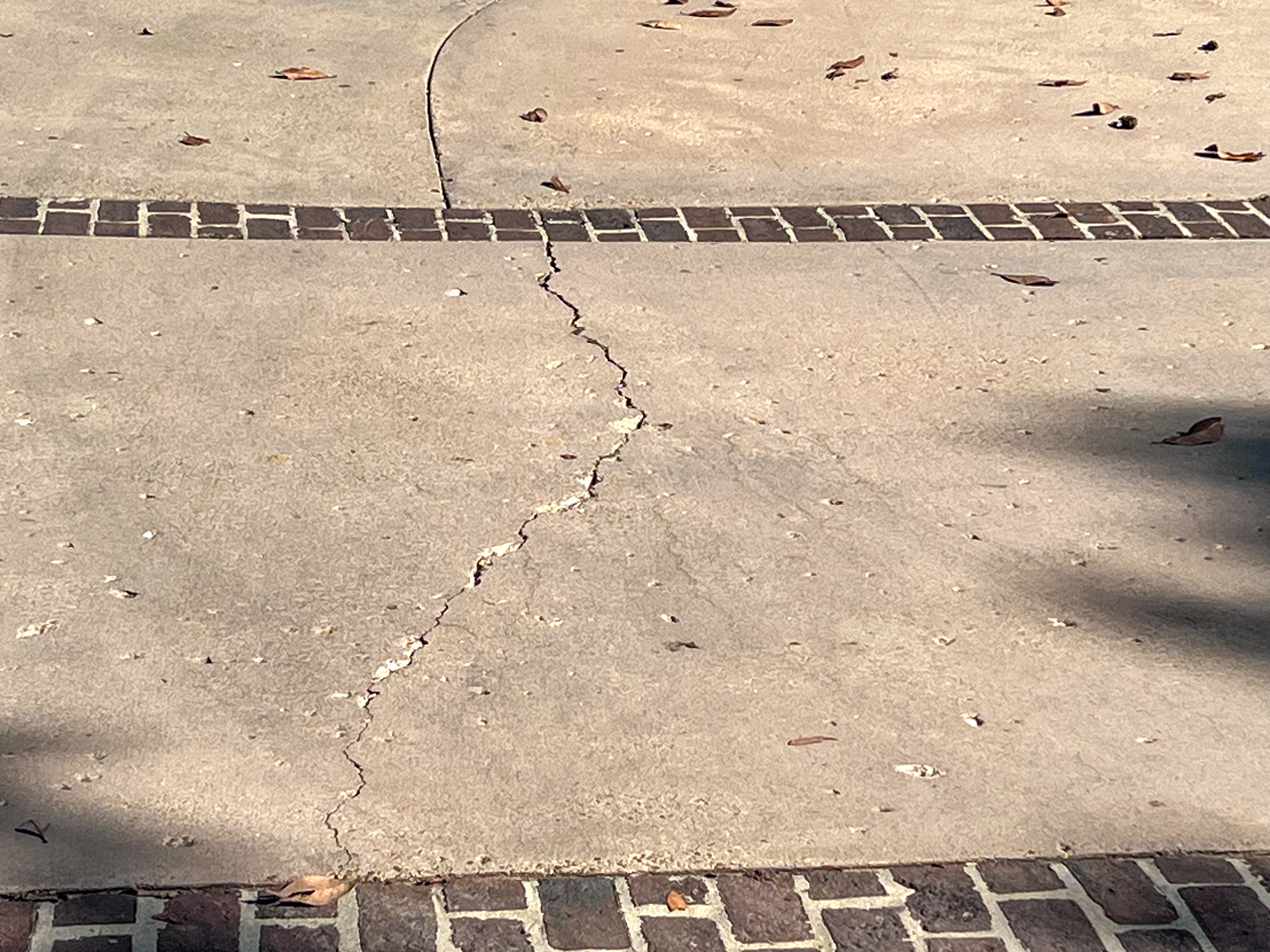
The Nashville Driveway Time Bomb You Can Avoid Today
Exposing the Three Non-Negotiable PSIP Rules That Reject Regional Mediocrity and Guarantee Structural Longevity in Middle Tennessee.
In the world of high-end home building, concrete is the only element that is simultaneously structural, aesthetic, and non-replaceable. Yet, across Williamson and Davidson counties, a silent epidemic is underway: premature cracking and structural failure in driveways that are barely five years old.
This isn't "just concrete." This is the predictable consequence of a regional industry that settled for 3000 PSI, skimped on reinforcement, and compromised the base to save $2 per square foot.
At Pumas Concrete, we are Concrete Designers.1 We don’t just pour; we engineer longevity. We synthesized Nashville grit with the California Model’s blueprint for demanding, design-driven quality.1 The result is our non-negotiable standard: The Puma Structural Integrity Protocol (PSIP).
The PSIP is our defense against Tennessee's volatile weather and the pressure to cut costs. Here is how we ensure your driveway—a high-risk, high-impact asset—is engineered to last:
1. The 4000 PSI Difference: A Non-Negotiable Standard
The regional average PSI mix often sits around 3000 PSI, barely meeting the minimum code for sidewalks, let alone a driveway expected to hold heavy delivery trucks and modern SUVs.
The PSIP Mandate: We mandate a 4000 PSI certified mix, non-negotiable on all driveway projects.1 This is a commercial-grade strength mix that ensures high density, superior wear resistance, and the structural fortitude required to withstand Middle Tennessee’s challenging freeze-thaw cycles and temperature swings.1 When it comes to your home's foundation, acceptable is simply unacceptable.
2. The Rebar Lie: Chaired and Tied, or Failure is Guaranteed
The single biggest shortcut in residential concrete is the placement of reinforcement. Many contractors rely on flimsy wire mesh or, worse, let the rebar sink to the bottom of the slab during the pour, rendering it useless.
The PSIP Mandate: Structural integrity requires a full rebar skeleton applied with precision. We install a mandatory rebar grid along with fiber mesh 1 for maximum crack control. Crucially, that rebar is chaired and tied 1 to ensure it remains suspended exactly where it belongs—in the center and upper third of the slab—to handle stress and volume change.1 We provide a mandatory rebar inspection photo to the digital job card, proving this critical step was completed correctly on your job.1
3. The Pump Protection Protocol: Guarding Your Prepared Base
Your driveway's longevity begins long before the concrete arrives—it begins with base preparation (subgrade). A beautifully compacted base can be instantly destroyed by the sheer weight of heavy mixer trucks driving across it. This base compromise is a leading cause of premature settlement and cracking.
The PSIP Mandate: We utilize a pump-poured protocol wherever feasible [1, 1]. This operational choice is designed explicitly to protect the compacted subgrade.1 The pump allows us to place the concrete exactly where it belongs, mitigating the structural risk caused by heavy traffic on the prepared base, a specialized measure most competitors skip entirely.1
The Bottom Line: When Pumas Concrete completes your project, you receive The PUMA STANDARD Structural Longevity Certificate 1, detailing the exact PSIP specifications executed on your property. We sell documented certainty, not just concrete.
Call to Action (CTA): Stop gambling with your foundation. Request a PSIP Certified Quote and get our Structural Longevity Certificate—proof, in writing, of how your project will last.
